
Blog
THE POWER OF TEXTURE IN INTERIOR DESIGN – CREATING DEPTH AND INTEREST

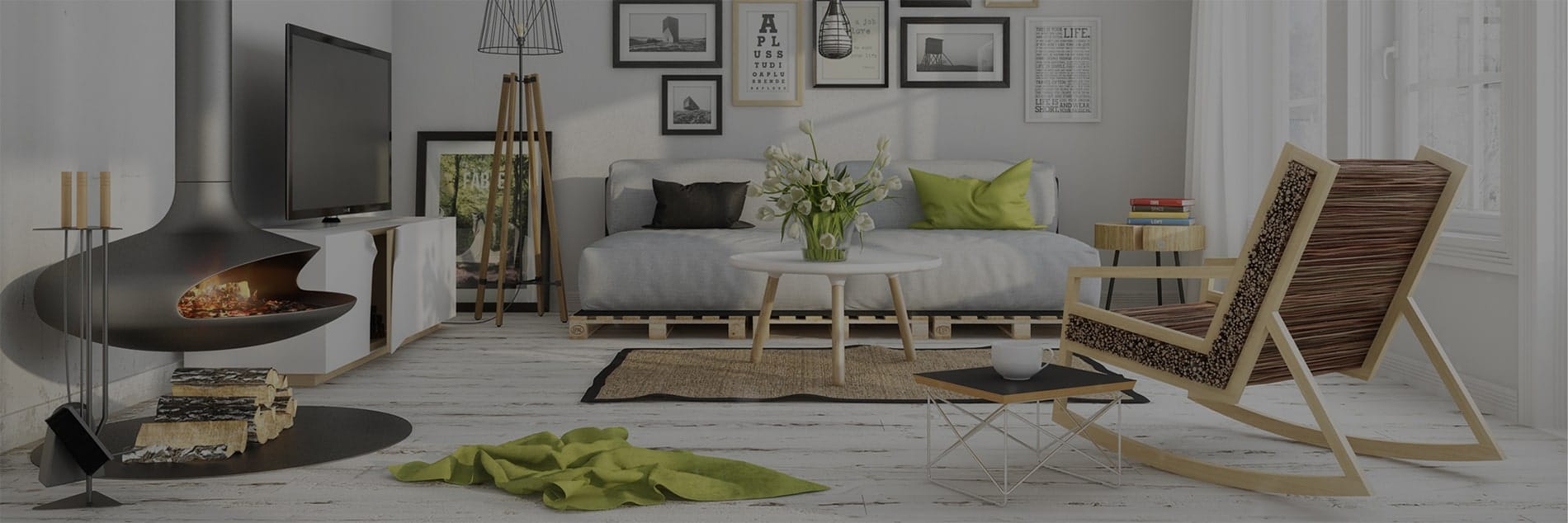
The Power of Texture: Transforming Your Home Through Layered Design
Introduction
When designing a home, most people focus on color palettes and furniture shapes—but texture is one of the most transformative (and often overlooked) design elements. Texture adds depth, visual interest, warmth, and sophistication to any room. Whether your style is modern minimalist or cozy traditional, mastering the art of texture layering is essential to creating a truly beautiful environment.
What Is Texture in Interior Design?
Texture refers to the tactile and visual quality of surfaces—how materials feel and look.
Common Texture Types:
- Smooth: polished concrete, glass, silk, glossy paint
- Rough: brick, stone, wool, jute
- Soft: velvet, linen, leather, cotton
- Hard: metal, ceramic, lacquer
Texture engages multiple senses. A well-layered room invites touch—whether it’s the softness of a throw pillow or the ruggedness of a stone wall.
Why Texture Matters
1. Creates Visual Interest
Rooms filled only with smooth surfaces can feel flat and sterile. Varied textures create depth and dimension.
2. Adds Personality
Texture influences a room’s emotional tone—from cozy and warm to bold and industrial.
3. Makes Colors More Dynamic
A single color can look dramatically different depending on texture (matte = calm, glossy = vibrant).
4. Adds Warmth
Natural textures like wood, wool, and stone make spaces feel more inviting.
5. Improves Acoustics
Soft and textured surfaces absorb sound, reducing echo and creating a more comfortable environment.
How to Layer Textures Successfully
Texture is about balance. Use these principles to layer intentionally:
1. Mix Opposites
Pair:
- Rough with smooth
- Soft with hard
- Matte with glossy
Contrast creates visual drama and prevents monotony.
2. Use Natural Materials
Wood, stone, linen, cotton, wool, and leather add authenticity and warmth.
3. Create Texture Focal Points
Feature one strong texture—like:
- A stone accent wall
- A shag rug
- Velvet chairs
Balance bold textures with simpler surroundings.
4. Layer Through Different Design Elements
Texture can be added through:
- Flooring: hardwood, tile, carpet
- Walls: paint, wallpaper, stonework, paneling
- Soft furnishings: rugs, pillows, curtains, bedding
- Accessories: vases, artwork, ceramics, plants
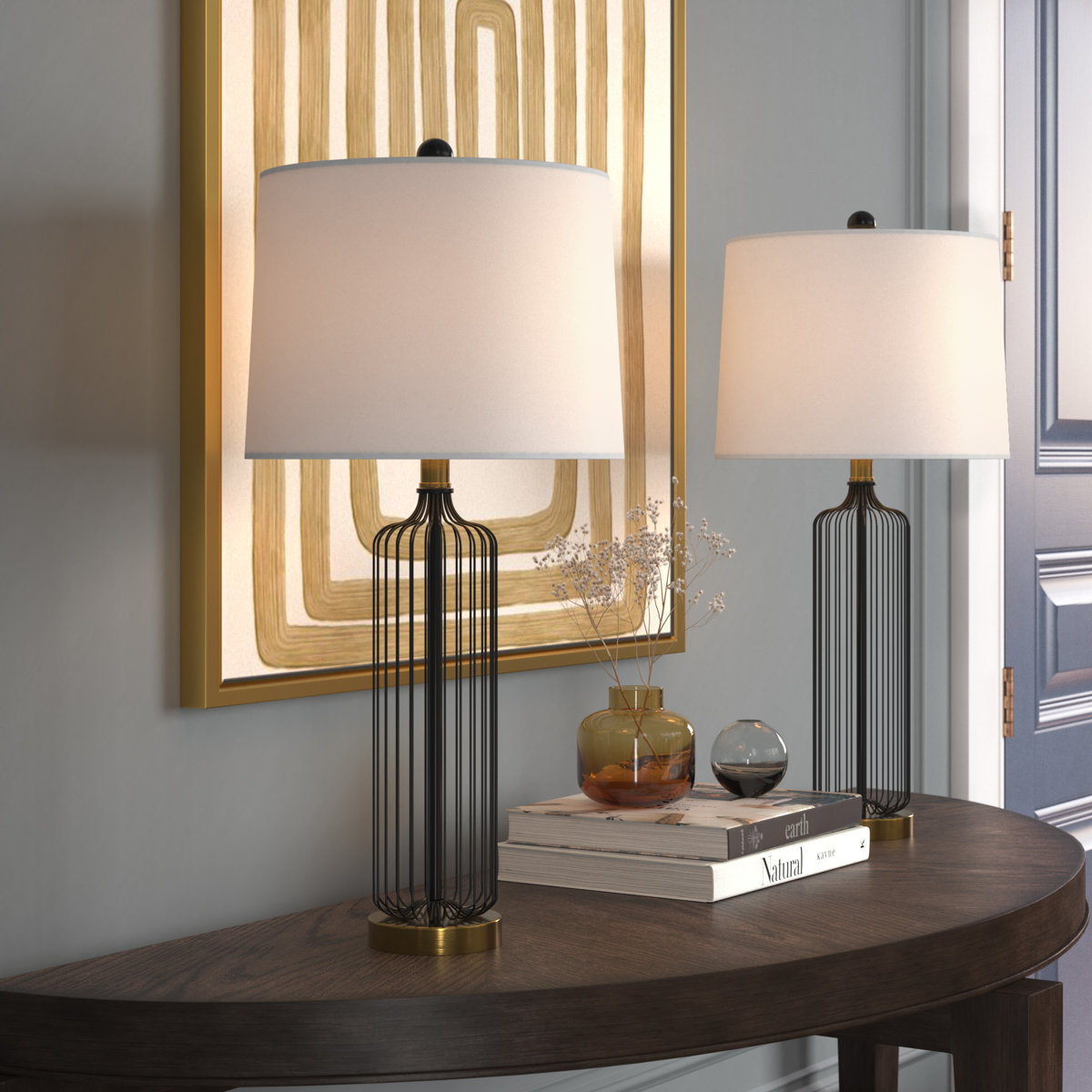
- Lighting: smooth chrome vs. industrial metals
5. Proportion Matters
Use dominant textures in larger areas (walls, floors) and secondary textures in accents (pillows, décor).
Texture in Different Rooms
Living Room
Layer rugs, cushions, throws, wooden tables, and metal lamps.
Bedroom
Use plush bedding, velvet pillows, linen sheets, and heavy curtains for comfort.
Kitchen
Contrast smooth surfaces (steel, tile) with natural textures (wood, stone).
Bathroom
Combine sleek tiles with soft textiles like towels and bath mats.
Popular Texture Combinations
1. Modern Minimalist: polished concrete + natural wood + linen
2. Scandinavian: light wood + white linen + sheepskin
3. Industrial: exposed brick + metal + leather
4. Bohemian: jute + macramé + woven textiles
5. Traditional: velvet upholstery + wood paneling + rugs
6. Contemporary: glossy surfaces + smooth metals + subtle soft textures
Practical Tips for Adding Texture
1. Start Subtle
Begin with small additions like a textured pillow or rug.
2. Touch Before Buying
Texture is about feel—always choose materials in person when possible.
3. Mix High & Low
Affordable textiles can make just as much impact as premium items.
4. Consider Maintenance
Some materials (velvet, linen) require more upkeep—choose textures that suit your lifestyle.
5. Layer Over Time
Great texture is built gradually, not all at once.
Conclusion
Texture is the secret ingredient that elevates a good room into a great one. By layering different textures through materials, finishes, textiles, and décor, you create a home filled with depth, personality, and warmth.
Whether you love sleek modern surfaces or rich organic textures, understanding balance and contrast is the key to designing a space you truly love.
Start noticing the textures around you—you’ll begin to see how they shape every experience within a room.


